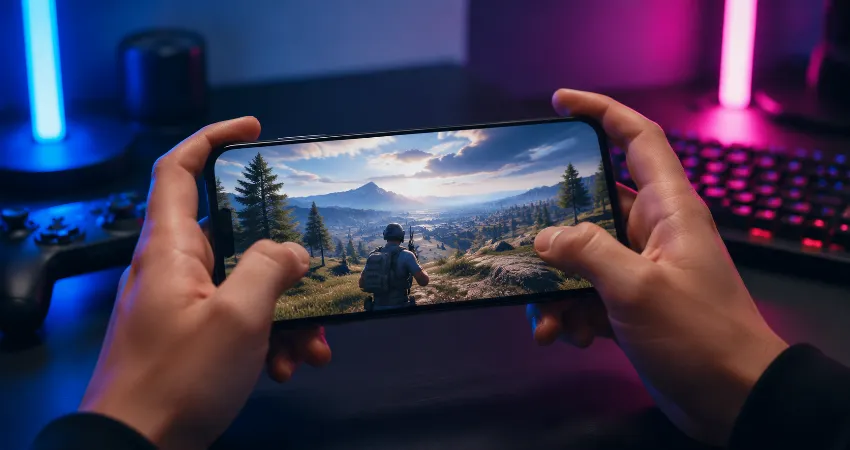
When I upgraded from a standard 60Hz smartphone to a 144Hz gaming phone, my biggest question was simple: does a higher refresh rate actually improve the gaming experience, or is it just another premium feature added to justify a higher price? Like many mobile gamers, I had already experienced smooth displays on monitors and laptops, but I wanted to understand whether the same advantage translated to a small smartphone screen.
After spending time gaming on a 144Hz phone across different types of games, I noticed that the difference was not only about numbers on a specification sheet. The higher refresh rate changed how animations felt, how quickly the screen responded, and how comfortable long gaming sessions became. However, the upgrade also came with some limitations that every buyer should understand before spending extra money.
This article shares my first hand experience with a 144Hz gaming phone, explains where the upgrade makes a real difference, and helps you decide whether a high refresh rate display is worth paying more for your gaming needs.
What Is A 144Hz Phone Display And Why Does It Matter?
A 144Hz phone display can refresh the image on the screen up to 144 times per second. In comparison, a traditional smartphone display with a 60Hz refresh rate updates 60 times every second. A higher refresh rate allows motion to appear smoother because the screen can show more frames during movement.
For gaming, this matters because fast movements, camera rotations, character animations, and scrolling actions can look more natural. A 144Hz screen reduces the feeling of motion blur and provides a more responsive visual experience. However, the improvement depends on whether the game itself supports higher frame rates.
My Experience Switching From 60Hz To 144Hz Gaming
The first thing I noticed after switching to a 144Hz phone was not a dramatic change in graphics quality. Instead, it was the overall smoothness. Moving through menus, scrolling websites, and opening applications immediately felt more fluid.
During gaming sessions, the difference became clearer. In fast paced games where quick reactions matter, movements appeared cleaner and controls felt more connected to what was happening on screen. The experience was especially noticeable when quickly turning the camera, tracking moving objects, or performing rapid actions.
After returning to a 60Hz phone for comparison, the lower refresh rate display felt less responsive. It was still usable, but the smooth feeling I had become accustomed to was missing.
Where A 144Hz Refresh Rate Makes The Biggest Difference?
A high refresh rate display does not improve every type of mobile game equally. The biggest advantages appear in games that involve fast movement, competitive gameplay, and frequent screen changes.
Action games, racing games, shooting games, and other titles with quick animations benefit the most. The smoother frame transitions make it easier to follow movement and create a more immersive experience.
For slower puzzle games, strategy games, or casual titles, the difference is much smaller. These games usually do not require rapid visual response, so a premium refresh rate may not provide the same level of improvement.
Does A 144Hz Phone Improve Gaming Performance?
A common misunderstanding is that a 144Hz display automatically makes a phone faster. The refresh rate only affects how often the screen updates. It does not directly increase processor power, internet speed, or game performance.
To fully benefit from a 144Hz display, the phone needs strong hardware, including a capable processor, sufficient RAM, efficient cooling, and a battery that can handle longer gaming sessions. The game must also support higher frame rates.
If a game runs at only 60 frames per second, a 144Hz screen cannot magically create extra frames. The display is ready for smoother performance, but the software and hardware must work together.
Battery Life Impact Of Using A 144Hz Phone
One downside I noticed was battery consumption. A higher refresh rate requires the display to work harder, which can use more power compared to a standard refresh rate setting.
Most modern gaming phones handle this with adaptive refresh rate technology and battery optimization features. Many devices allow users to switch between 60Hz, 90Hz, 120Hz, and 144Hz depending on their needs.
During long gaming sessions, I found that using the highest refresh rate provided the best experience, but it also reduced battery endurance slightly. For everyday tasks, lowering the refresh rate can help extend battery life without affecting normal usage.
144Hz Phone Versus 120Hz Phone: Is There A Big Difference?
The difference between 120Hz and 144Hz is much smaller compared to the jump from 60Hz to 120Hz. Moving from a standard display to a high refresh rate screen creates the most noticeable improvement.
A 120Hz phone already feels extremely smooth for most users. A 144Hz display provides an additional improvement, but it is more of a refinement rather than a complete transformation.
If two phones have similar specifications and one offers 144Hz while the other offers 120Hz, the refresh rate alone should not be the deciding factor. Other features such as processor performance, cooling system, camera quality, software support, and battery capacity are also important.
Who Should Buy A 144Hz Gaming Phone?
A 144Hz gaming phone makes the most sense for users who spend a lot of time playing mobile games and want the smoothest possible experience. Competitive gamers, esports enthusiasts, and people who enjoy visually demanding games will appreciate the difference.
It is also useful for users who want a premium smartphone experience beyond gaming. Everyday activities such as browsing, scrolling, and navigating the interface feel more polished.
However, casual users who mainly use their phone for messaging, social media, videos, and basic applications may not notice enough improvement to justify paying a large premium.
Things To Check Before Buying A 144Hz Phone
Before choosing a 144Hz smartphone, buyers should look beyond the display specification. A smooth screen needs powerful internal hardware to deliver a complete experience.
Important factors include the processor generation, gaming optimization features, thermal management, battery size, charging speed, display quality, and long term software support. A balanced phone usually provides a better experience than a device that focuses only on refresh rate.
FAQs About 144Hz Gaming Phones
1. Is a 144Hz phone display better than a 60Hz display for gaming?
Yes, a 144Hz display provides smoother motion and better responsiveness compared to a 60Hz display. The difference is especially noticeable in fast moving games where quick reactions and smooth animations are important. However, the actual benefit depends on whether the game supports higher frame rates.
2. Does every mobile game support 144Hz refresh rate?
No, not every game supports 144Hz. Many games have frame rate limits set by developers. If a game only runs at 60 frames per second, you may not see the full advantage of a 144Hz display. Always check game compatibility before buying a phone mainly for gaming.
3. Will a 144Hz phone make my games run faster?
A 144Hz display does not increase processing power or improve the speed of the game engine. It only allows the screen to display more frames when the hardware and software provide them. A powerful processor is still necessary for smooth gaming performance.
4. Does a 144Hz screen drain battery faster?
Yes, using a higher refresh rate can consume more battery because the display refreshes more frequently. Many phones include adaptive refresh rate options that automatically adjust the display speed to balance smoothness and battery efficiency.
5. Is 144Hz better than 120Hz on a smartphone?
144Hz is technically smoother than 120Hz, but the practical difference is relatively small. Most users will notice a much bigger improvement when moving from 60Hz to 120Hz or higher. The overall phone quality matters more than the small refresh rate difference.
6. Do I need a gaming phone to enjoy 144Hz?
No, many regular flagship smartphones offer high refresh rate displays. A dedicated gaming phone may include additional features like improved cooling and gaming controls, but the display experience can be excellent on other premium devices as well.
7. Can a 144Hz phone improve touch response?
A higher refresh rate can make visual feedback feel faster, but touch response depends on the phone’s touch sampling rate and software optimization. Gaming phones often combine high refresh rate displays with faster touch response systems for a more responsive experience.
8. Is a 144Hz phone worth buying for casual gaming?
For casual gaming, a 144Hz phone may be more than necessary. If gaming is only an occasional activity, a good 90Hz or 120Hz phone may provide excellent value while saving money for other features.
9. What hardware is important with a 144Hz gaming phone?
A strong processor, enough RAM, efficient cooling, reliable battery performance, and optimized software are essential. A high refresh rate display works best when the entire device is designed to maintain smooth performance.
10. Was upgrading to a 144Hz phone worth the extra money?
For my gaming habits, the upgrade was worth it because I regularly play fast paced games and appreciate smoother visuals. However, the value depends on how much you use gaming features. Users who rarely play demanding games may not get enough benefit from paying extra.
Conclusion
Switching to a 144Hz phone changed the way I experienced mobile gaming by making movement smoother and interactions feel more responsive. The upgrade is not a magic solution that improves every aspect of gaming, but it does provide a noticeable improvement when paired with capable hardware and supported games.
For dedicated mobile gamers, a 144Hz display can be a valuable upgrade. For casual users, a balanced smartphone with a good processor, battery, and display may offer better overall value. The right choice depends on how important smooth gaming performance is in your daily smartphone experience.