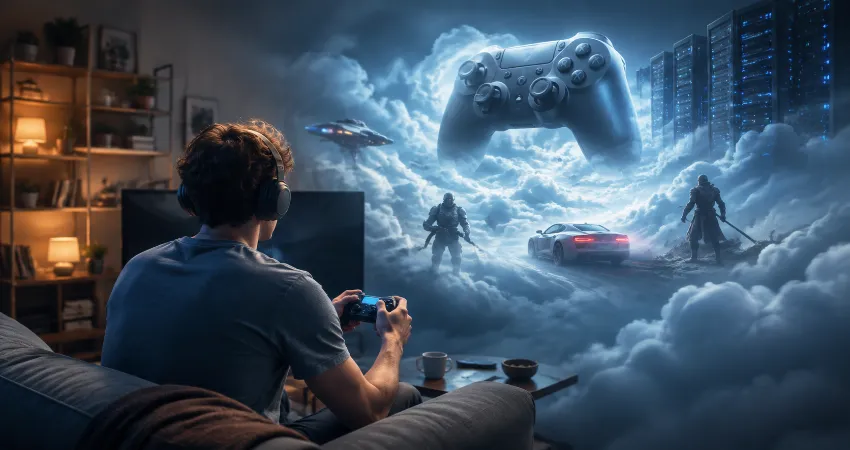
Cloud gaming has changed the way people think about playing video games. Instead of purchasing expensive gaming hardware, users can stream high-quality games from powerful remote servers and play them on devices like laptops, smartphones, tablets, and low-end computers. This technology promises convenience, flexibility, and access to premium gaming experiences without the traditional investment in a powerful gaming setup.
However, behind the convenience of cloud gaming, there are several hidden costs that many users do not consider before switching from traditional gaming. While the service removes the need for expensive hardware upgrades, it introduces new expenses related to internet usage, subscription plans, device compatibility, latency issues, and long-term ownership limitations.
Understanding these factors can help gamers make smarter decisions before fully depending on cloud-based gaming platforms.
The Real Cost Of Cloud Gaming Goes Beyond The Subscription Fee
One of the biggest attractions of cloud gaming is the monthly subscription model. Users often compare this cost with buying a gaming PC or console and assume cloud gaming is automatically cheaper. However, the subscription fee is only one part of the total expense. Over time, multiple recurring costs can add up and change the overall value of the service.
Unlike traditional gaming, where you may purchase a console or computer once and use it for several years, cloud gaming requires continuous payments to maintain access. If you stop paying for the service, you may lose access to the games and features connected to that platform. This creates a long-term financial commitment that many users overlook.
High-Speed Internet Is A Hidden Requirement
Cloud gaming depends heavily on internet quality. Since the actual game runs on a remote server, your device only receives a live video stream while sending your controls back to the server. This process requires a stable and fast internet connection to provide a smooth experience.
Many users focus only on download speed but ignore other important factors such as latency, network stability, and data limits. A connection with inconsistent performance can cause screen delays, image quality drops, and interruptions during gameplay. In some regions, upgrading to a better internet plan may become an additional monthly expense.
Data Consumption Can Become A Major Expense
Unlike downloading a game once and playing it locally, cloud gaming continuously streams video data while you play. High-resolution gaming sessions can consume significant amounts of internet bandwidth, especially when playing at higher frame rates and better visual quality.
For users with limited internet packages, cloud gaming can quickly increase monthly data usage. A few hours of daily gaming may consume hundreds of gigabytes of data over time. This hidden cost is especially important for people living in areas where unlimited high-speed internet plans are expensive or unavailable.
Cloud Gaming Does Not Remove The Need For Good Devices
A common misunderstanding is that cloud gaming works perfectly on any device. While it reduces the need for powerful processors and graphics cards, the device still needs to provide a reliable streaming experience. Older devices with weak Wi-Fi performance, outdated operating systems, or poor displays may reduce the overall experience.
For a better experience, many users eventually invest in additional equipment such as gaming controllers, better monitors, headphones, wired network adapters, or newer smartphones. These extra purchases can increase the actual cost of entering the cloud gaming ecosystem.
Latency Issues Can Affect The Gaming Experience
Latency is one of the biggest technical challenges of cloud gaming. In traditional gaming, your input is processed directly on your device. In cloud gaming, every action travels to a remote server, gets processed, and returns as a visual response.
Even a small delay can become noticeable in fast-paced games where quick reactions are important. Although cloud gaming technology continues to improve, network distance and connection quality still play a major role. Some users may find that certain game genres do not feel as responsive through cloud platforms.
You May Not Fully Own Your Games
Another hidden concern with cloud gaming is digital ownership. In traditional gaming, purchasing a physical copy or downloadable version often gives users long-term access to that specific game. Cloud gaming services usually provide access through their own libraries and subscription systems.
A game available today may not always remain available in the future due to licensing agreements, business decisions, or platform changes. This means players may invest time into games that could later become unavailable through their preferred service.
Subscription Overlap Can Increase Your Monthly Spending
Many gamers use multiple platforms because each service offers different games. Instead of replacing traditional gaming expenses completely, cloud gaming can sometimes become an additional subscription rather than an alternative.
For example, a user may keep a console subscription, a PC game store account, and a cloud gaming membership at the same time. Without careful management, these recurring payments can become a significant monthly expense.
Cloud Gaming Depends On Service Availability
Cloud gaming requires powerful server infrastructure operated by companies. If a service experiences technical problems, maintenance, regional restrictions, or shutdowns, users may temporarily lose access to their games.
This dependency creates a different type of risk compared with owning local hardware. While traditional gaming systems can continue working without internet access, cloud gaming is closely tied to the availability and reliability of external services.
The Environmental Cost Behind Cloud Gaming
Cloud gaming also has an environmental impact that is rarely discussed. Running large gaming servers requires significant computing power and energy consumption. Data centers need electricity for servers, cooling systems, and network infrastructure.
Although companies are improving efficiency through renewable energy and better hardware, the increasing demand for cloud services means energy usage remains an important consideration when evaluating the technology.
How To Decide If Cloud Gaming Is Worth It For You?
Cloud gaming can be an excellent choice for certain users, especially those who want flexibility and do not want to purchase expensive gaming hardware. It is also useful for casual players who enjoy trying different games without building a complete gaming setup.
However, users should calculate the complete cost, including internet upgrades, subscriptions, accessories, and possible limitations. The best choice depends on gaming habits, budget, location, and personal preferences rather than simply comparing subscription prices.
FAQs About Cloud Gaming Costs
1. Is cloud gaming cheaper than buying a gaming PC?
Cloud gaming can be cheaper initially because users do not need to purchase expensive hardware. However, long-term costs depend on subscription fees, internet expenses, and how many years you continue using the service. Someone who plays regularly for many years may eventually spend a significant amount through monthly payments.
2. Does cloud gaming require unlimited internet?
Unlimited internet is not always required, but it is highly recommended for regular cloud gaming. Since games are streamed continuously, data usage can become very high. Users with limited data plans should monitor their usage before relying completely on cloud gaming services.
3. Why does cloud gaming sometimes feel delayed?
Cloud gaming delay happens because your commands must travel to a remote server, get processed, and return as a video stream. The distance between your location and the server, along with internet stability, directly affects response time.
4. Can I play cloud games on an old laptop?
Many older laptops can run cloud gaming because the heavy processing happens on remote servers. However, the laptop still needs a reliable internet connection, compatible software, and enough performance to handle video streaming smoothly.
5. Do I own games purchased through cloud gaming services?
Ownership depends on the platform. Some services allow access to games you already own through supported stores, while others provide games only through their subscription library. Users should understand the service rules before investing significant time in a platform.
6. What is the biggest disadvantage of cloud gaming?
The biggest disadvantage is dependence on internet quality and service availability. Without a stable connection, even powerful cloud servers cannot provide a smooth gaming experience. Users also have less control compared with owning local gaming hardware.
7. Can cloud gaming replace gaming consoles completely?
For some users, cloud gaming can replace a console because it provides access to many games without dedicated hardware. However, gamers who value offline play, physical ownership, or maximum performance may still prefer traditional systems.
8. Why do cloud gaming subscriptions become expensive over time?
Cloud gaming subscriptions are recurring expenses. While a single month may seem affordable, several years of continuous payments can become a considerable investment. Users should compare long-term costs instead of only looking at the monthly price.
9. Does cloud gaming work equally well everywhere?
No, cloud gaming quality depends heavily on regional server availability and internet infrastructure. Users living closer to supported data centers usually experience better performance compared with areas where servers are far away.
10. Should everyone switch to cloud gaming?
Cloud gaming is not the perfect solution for every gamer. It works best for people who value convenience and flexibility. Those who prefer complete control, offline access, and maximum performance may still benefit from traditional gaming systems.
Conclusion
Cloud gaming represents an exciting future for digital entertainment, but its convenience comes with hidden costs that are easy to ignore. Subscription fees, internet requirements, data consumption, ownership limitations, and service dependency all play important roles in the real cost of cloud gaming.
By understanding these factors, users can make informed decisions and choose the gaming approach that best matches their needs and budget.
1 thought on “The Hidden Cost Of Cloud Gaming That Nobody Warns You About”
Comments are closed.